Industries
Agriculture
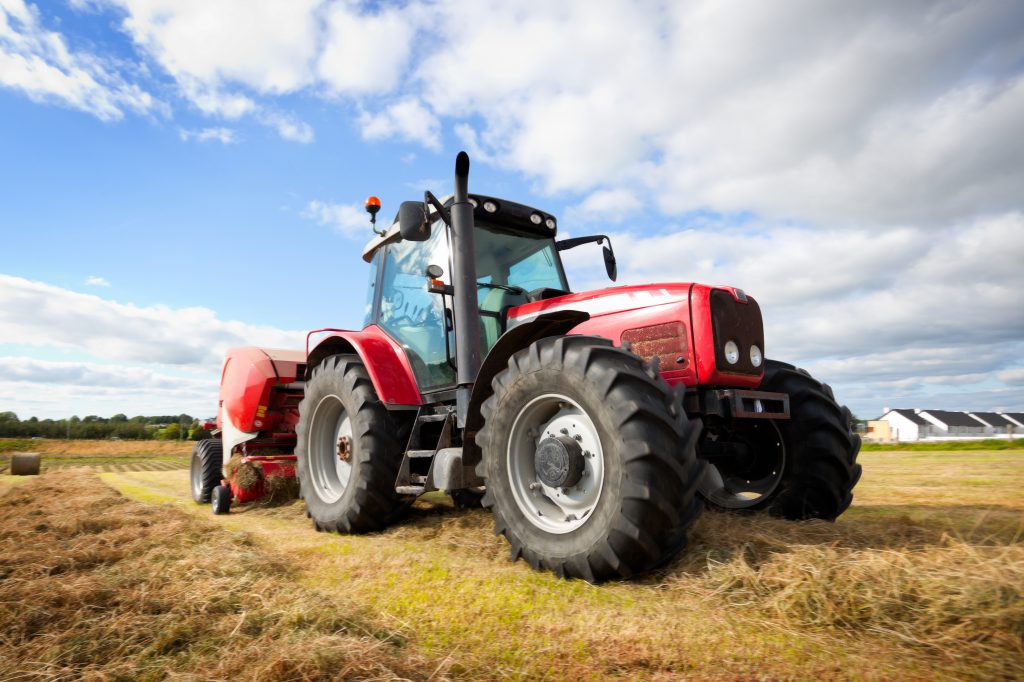
Large-scale farming is an operational activity spread across a wide area, requiring precise management of equipment, teams and working hours.
Day-to-day work is carried out simultaneously across many areas and in various locations. The machinery in use includes expensive, specialised equipment and a wide range of additional tools. The smooth running of farms requires the coordination of people and resources in dynamic field conditions.
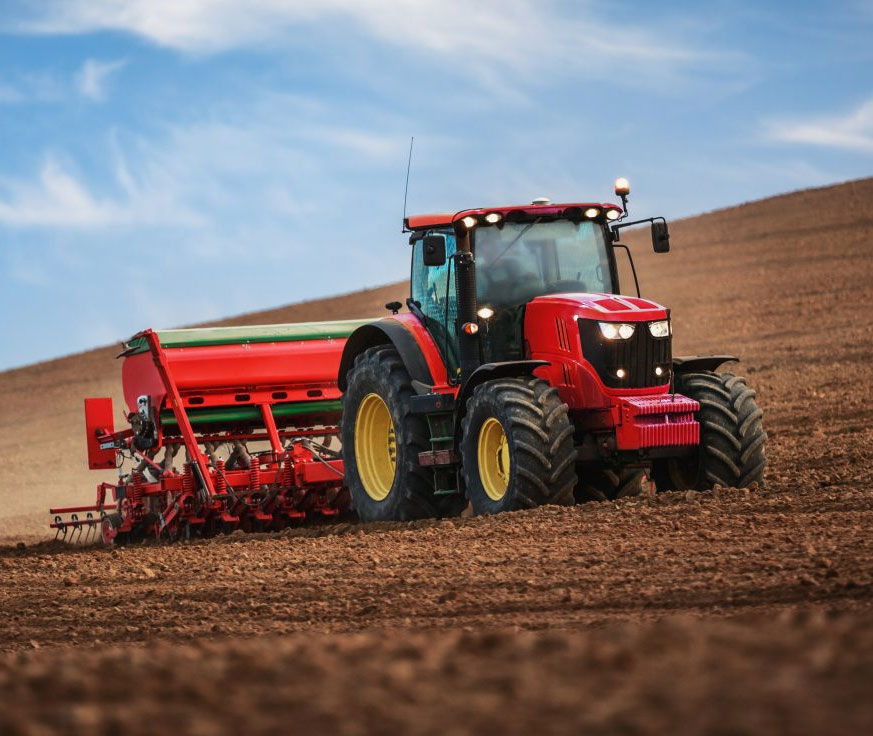
Agriculture
Industry challenges
- Carrying out and monitoring work across dispersed, large-scale areas
- Utilising a diverse range of specialist machinery and high-value tools
- A complex organisational structure of farms with multiple bases and equipment rotation
- Coordination of teams — machine operators and multi-person crews carrying out field work and crop processing
- Dailyplanning and task delegation, as well as two-way communication with field staff
- Multi-level documentation of machine performance parameters, the quality of work carried out, and a continuous inventory of assets in the field
- Access to data from multiple sources within a single system, along with real-time cost analysis of operations
- Monitoring the use of agricultural inputs and checking stock levels
Agriculture
Other industries
Waste management
Waste management involves operations carried out on a daily basis in the field, on a large scale and under pressure to deliver results. Millions of operations a year, a dispersed infrastructure and a fleet of specialist vehicles require full control over processes. The coordination of crew work, ongoing supervision of service delivery and access to reliable operational data are of key importance. Effective management of the utilities sector relies on the integration of technology, logistics and documentation within a single environment.
Fuel management
Fuel distribution is an operation that requires full control over supply chain logistics, product flow and the safe delivery of services. Every delivery must be carefully planned, documented and accounted for. Ongoing monitoring of the tanker fleet, fuel dispensing points and communication with drivers is of paramount importance. Consistent operational and cost data are key to profitability and the quality of customer service.
Construction
The implementation of the project requires full control over the work of machinery, teams and subcontractors, as well as constant monitoring of operating costs. Access to reliable operational data and records of work progress is of key importance. The integrated management environment enables real-time coordination of activities and optimisation of resource utilisation.
Road maintenance
This is an industry where rapid response, full accountability and the constant availability of a specialist fleet are essential. The performance of contracts must be documented in terms of the location, time and quality of the work carried out. XTrack provides tools for operational monitoring, activity planning and real-time cost control.
Water and sewerage services
Day-to-day operations involve carrying out work at multiple sites simultaneously and continuously monitoring technical and logistical processes. It is essential to have real-time access to reliable operational data, which helps to coordinate activities in the field and at the technical support base. This is an environment in which integrated management systems form the basis of operational efficiency.
Agriculture
Our solutions
Planning and delegating tasks
Integration of work plans with agricultural systems
Importing tasks from dedicated agricultural IT systems via file exchange or API, whilst ensuring the continuity of operational data.
Workflow management in a single environment
Organisation and visualisation of task execution in the form of a logistics tree combined with interactive tables and a map view.
Spatial planning and GIS
Advanced GIS analysis, including projected material consumption, task parameters and clear visualisation of operational areas.
Map-based planning and rapid task allocation
Planning work in map view and assigning tasks in bulk using drag-and-drop.
Analysis of operational dependencies
Identifying interdependencies between tasks and schedules directly on the digital map.
Planning based on field data
Scheduling treatments taking into account statistical data and the specific nature of fieldwork.
Managing cyclicality and work variants
Batch scheduling, handling one-off tasks, and testing different logistics options and schedule adjustments.
Delegating tasks and communicating with field teams
Two-way online communication via terminals using the XTrack WorkMate app, dynamic task transfer between machines, and documentation of task completion via notes and attachments.
Monitoring of assets and tasks
Unlimited scalability
Manage a fleet of any size within a single system — without separate databases for branches and regardless of the number of XTrack modules.
Farm-specific data layers
Support for individual customer map layers, such as crop areas with field names and acreage, visible directly within the XTrack software.
Full asset history
A comprehensive overview of vehicles and equipment: GPS data, notes and attachments from on-board terminals, bodywork connections, and refuelling information from the XTrack XT4 Fuel Terminal.
Machine and equipment monitoring
Recording of operational parameters via CAN modules, factory-fitted sensors and additional XTrack sensors.
Monitoring of task completion
Continuous monitoring of work progress and regular feedback from teams: status updates, photos, notes.
Integrated video monitoring
Footage from up to 4 FHD cameras is recorded and streamed live online, automatically integrated with other XTrack telematics data.
System diagnostics
Real-time diagnostics of the XTrack system modules installed on the machine, using software accessible to the user via Wi-Fi.
Identification and inventory
RFID identification of agricultural implements
Automatic identification of implements operating in conjunction with a tractor, including visualisation of their current position on a map and a full history of their use and movement between locations and machines.
A wide range of identification standards
LF and UHF RFID, NFC and barcodes — complete technological flexibility.
Support for multiple identifiers simultaneously
You can always document the completion of tasks and the current location of accessories, regardless of the identification method – whether using a smartphone or a dedicated technical tablet, automatically or manually.
Online inventory
Data available immediately in the XTrack system, without the need for file synchronisation or working offline.
Online inventory
Data available immediately in the XTrack system, without the need for file synchronisation or working offline.
Workshop infrastructure support
Mark diagnostic points with low-cost NFC tags and keep a record of machine inspections and repairs.
Reporting and analysis
Real-time data access
All operational data is available immediately, with only a minimal delay caused by the GSM/LTE transmission.
Ready-made operational reports
Standard reports cover key aspects of vehicle operations, crew activities and the execution of field tasks.
Customised reports
The ability to create reports tailored to the specific needs of your organisation and to automate analyses in line with your individual operational requirements.
Flexible data export
Exporting data to popular formats such as CSV, XLS(X) and PDF enables further processing of the data within other business processes.
Analysis in map view
Working on a digital map with the option to adapt the data presentation to the operational context.
Management dashboards
Clear administrative dashboards enable real-time monitoring of key operational indicators.
Integration with BI systems
Integrating XTrack data with other company systems and analysing it using Business Intelligence tools, via automatic data access via a dedicated XTrack API.
Fuel management
Self-service fuel management
The XTrack Fuel Terminal automates the operation of on-site and mobile fuel stations, as well as storage facilities for operating fluids.
Continuous fuel level monitoring
Real-time stock monitoring enables advanced delivery planning and eliminates the risk of downtime.
Complete refuelling records
The system records who refuelled a specific vehicle or machine, when, and how much fuel was dispensed.
Secure release authorisation
A two-step login process ensures access control and minimises misuse.
On-demand consumption reports
Fuel consumption reports broken down by warehouse, employee and mode of transport are available at any time.
Integration with video monitoring
Integration with the XTrack video recording system supplements refuelling data with video footage.
Billing in accordance with standards
Accurate consumption data at both actual and reference temperatures (15°C) facilitates accounting procedures.
Fuel data in the IoT ecosystem
Refuelling information available in the history of depots, vehicles and machinery, all within a single system environment.

Want to see how our system works?
We’ll show you our platform in practice, using examples relevant to your industry, processes, and field resources.
Contact